
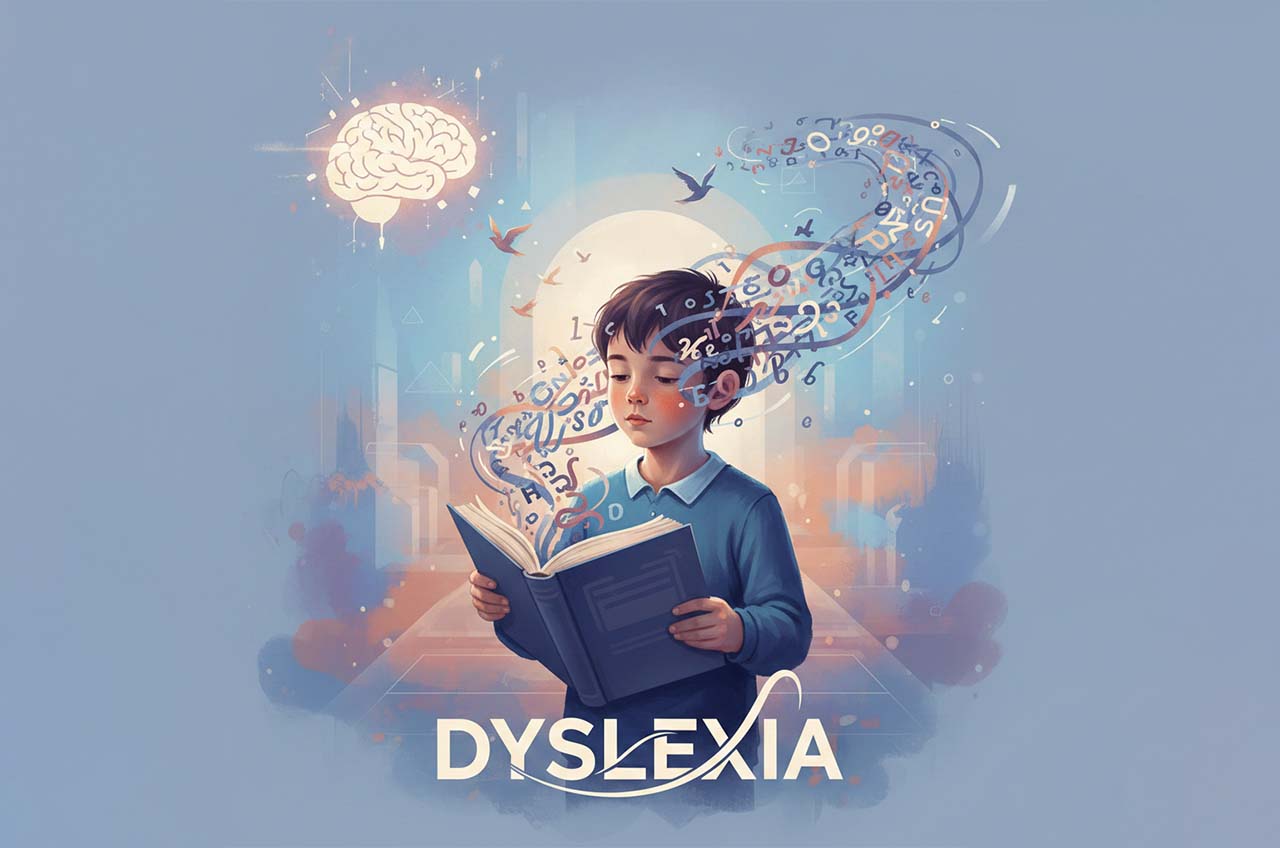
Dyslexia, a learning disorder that affects reading, writing, and spelling, has evolved from a little-understood condition in the 19th century to one of the most researched learning differences today. Affecting millions worldwide, dyslexia is now widely recognized as a neurobiological condition that requires structured support rather than stigma.
Early Discovery: “Word Blindness”
The history of dyslexia dates back to the late 1800s, when German physician Adolph Kussmaul first described a condition he called “word blindness,” referring to individuals who struggled to read despite normal intelligence.
In the early 20th century, Scottish ophthalmologist James Hinshelwood expanded on this work. He developed early intervention methods focused on visual recognition of words, laying groundwork for future research in reading disorders.
The Orton-Gillingham Breakthrough
In the 1930s and 1940s, neuropsychiatrist Samuel T. Orton collaborated with educator Anna Gillingham to develop a structured, multisensory approach to teaching reading and spelling. The Orton-Gillingham method emphasized phonological processing and remains influential in dyslexia intervention programs today.
Brain Research and Genetics
In the 1960s and 1970s, neurologist Albert Galaburda conducted pioneering research that identified structural differences in the brains of individuals with dyslexia. His findings helped establish dyslexia as a neurobiological condition rather than a visual impairment.
By the 1980s and 1990s, researchers began identifying genetic links, confirming that dyslexia often runs in families and likely results from a combination of genetic and environmental factors.
Today, dyslexia is recognized globally as a common learning disorder. While it cannot be “cured,” evidence-based reading instruction, speech-language therapy, structured literacy programs, and assistive technologies can significantly improve literacy outcomes.
Trusted Resources for Dyslexia Support
For individuals, parents, educators, and professionals seeking guidance, the following organizations provide reliable information and practical tools:
Research & Advocacy Organizations
-
International Dyslexia Association (IDA)
Offers research-based resources, webinars, conferences, and structured literacy training.
🔗 https://dyslexiaida.org/ -
The Yale Center for Dyslexia & Creativity
Provides research, educational tools, and advocacy resources.
🔗 https://dyslexia.yale.edu/ -
National Center for Learning Disabilities (NCLD)
Supports individuals with learning disabilities through policy advocacy and family resources.
🔗 https://www.ncld.org/
Parent & Educator Support
-
Understood
Offers practical tools, articles, and personalized guidance for families navigating learning differences.
🔗 https://www.understood.org/en/learning-thinking-differences -
British Dyslexia Association
Provides UK-based support, workplace guidance, and educator training.
🔗 https://www.bdadyslexia.org.uk/ -
Dyslexia Help
A University of Michigan resource hub offering webinars, courses, and expert guidance.
🔗 http://dyslexiahelp.umich.edu/
Learning Tools & Accessibility
-
Learning Ally
Provides human-narrated audiobooks for students with dyslexia from K–12 through college.
🔗 https://learningally.org/
Moving Forward
Modern science has transformed the understanding of dyslexia,from a mysterious “word blindness” condition to a well-documented language-based learning difference. Experts emphasize that early identification, structured literacy instruction, and supportive learning environments are critical for success.
With growing awareness and access to evidence, based resources, individuals with dyslexia can develop strong literacy skills and thrive academically and professionally.